The Modern YouTube Best Practices for Brands to be Discovered in 2026
The brands winning on YouTube in 2026 aren't the ones with the biggest budgets or the highest upload volume. They're the ones that understand how discovery actually works, and have built their channels around it.
For years, YouTube was treated like a place to upload campaigns, archive video content, or host ads. But YouTube is a recommendation and discovery engine and increasingly, an AI one too.
Today,70% of YouTube watch time comes from algorithmic recommendations rather than direct searches or subscriber feeds. Your audience doesn't need to know who you are before YouTube introduces them to your content. But if your channel doesn't look trustworthy, consistent, and relevant, the platform is far less likely to surface it.
As more users shift toward ChatGPT, Gemini, and AI-driven search, YouTube has become the internet's default video source for AI-generated answers and recommendations. Getting YouTube best practices right as a brand today means positioning yourself to be discovered tomorrow.
Here's what the best brand channels are doing differently in 2026, across visual identity, metadata, playlists, and AI visibility.
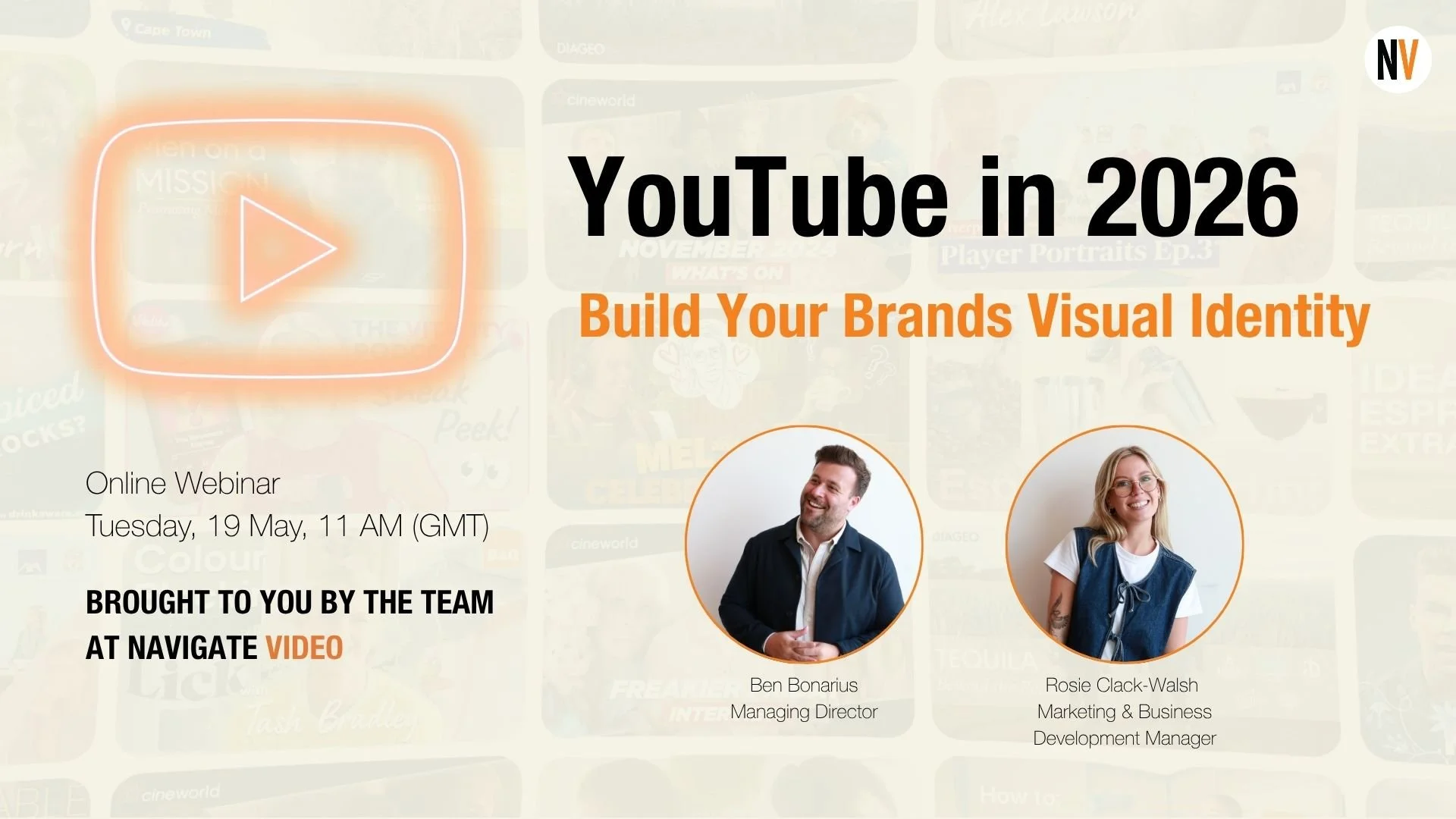
If you'd prefer to watch rather than read, we recently hosted a webinar covering exactly how to build a visual identity on YouTube in 2026. Watch the full recording here.
TL;DR
70% of YouTube watch time comes from algorithmic recommendations. Earning discovery requires clear metadata and a channel that looks credible - good content alone won't do it.
The strongest brand channels are visually coherent, strategically organised, and instantly recognisable.
Thumbnails, metadata, playlists, and homepage structure all work together as one discovery system.
YouTube is now the leading video platform for AI-driven search and LLM recommendations.
The brands growing fastest treat YouTube as a long-term channel, not a content archive.
Your Channel Must Be Coherent
At Navigate Video, we work with brands that already have good content potential. The issue usually isn't production quality, it's that the channel itself doesn't feel connected.
Thumbnails vary wildly from one upload to the next, playlists haven't been updated, homepage layouts feel unstructured, and metadata sounds rushed. The overall experience feels fragmented.
And at a time when 20 million videos are uploaded to YouTube daily, viewers make decisions incredibly quickly. Before someone watches your video, they're subconsciously asking:
Does this channel look trustworthy?
Does it feel established?
Do I understand what this brand actually does?
Is there a reason to keep exploring?
The channels that grow consistently answer those questions immediately. That's why visual identity matters so much. When your thumbnails, playlists, homepage structure, metadata, and content positioning all reinforce one another, viewers trust the channel faster, and YouTube rewards you with more discovery.
What High-Performing Brand Channels Have in Common
The best-performing brand channels in 2026 aren't identical, but they share the same behaviours. They're easy to understand, easy to navigate, and easy for both audiences and algorithms to categorise.
Your Homepage Should Explain Your Brand in Seconds
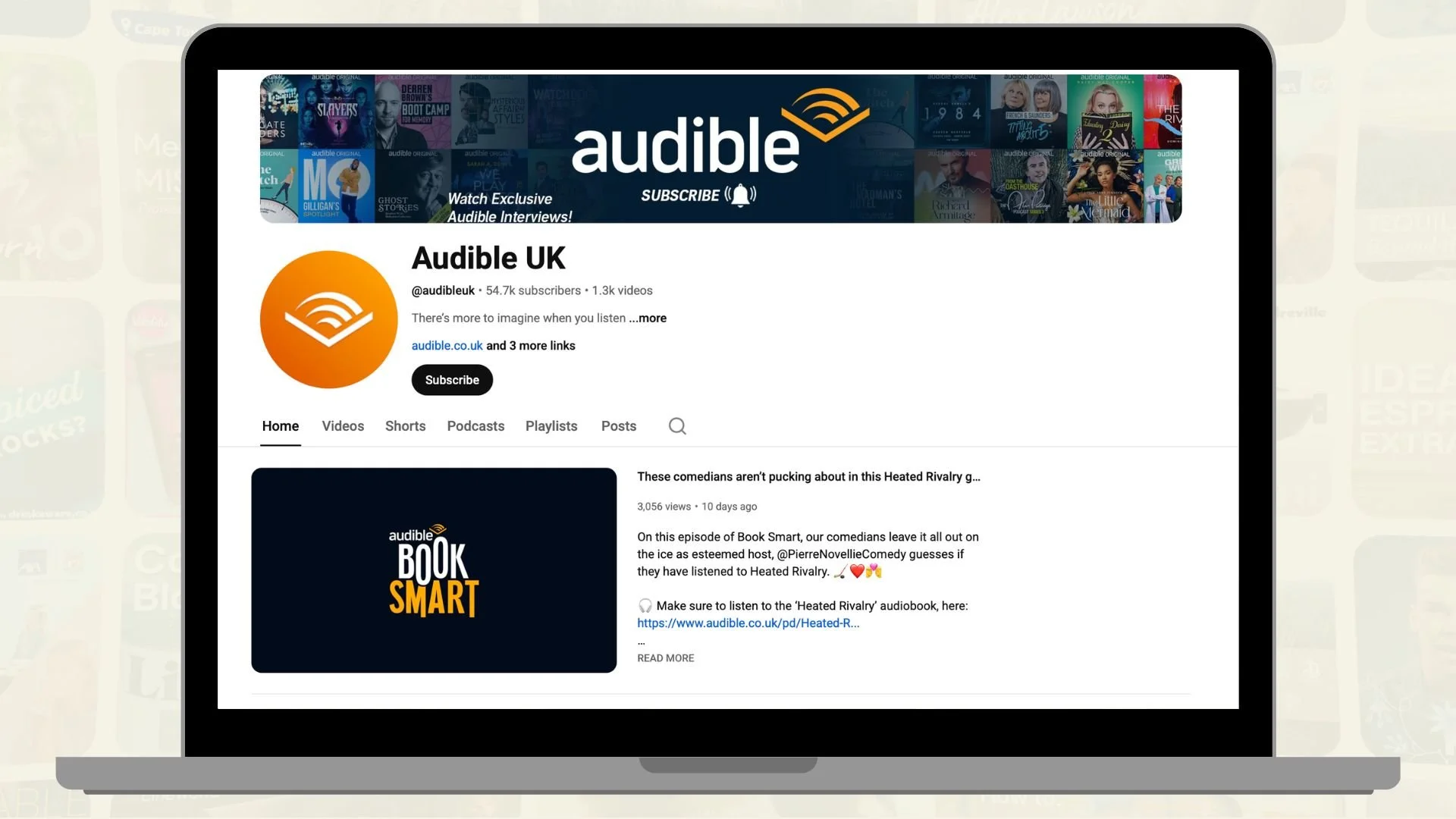
Your channel homepage is often the first thing a new viewer sees after discovering one of your videos. Think of it as your brand's storefront on YouTube.
When someone lands there for the first time, they should immediately understand what your brand does, what kind of content they'll find, and why they should keep watching.
That means organising your homepage intentionally. Feature playlists that reflect your core content pillars. Prioritise videos that represent your brand well. Keep your banner, icon, and featured content current. And revisit it regularly - it should reflect where your brand is now.
An organised homepage signals that your channel is active, maintained, and worth exploring.
YouTube Thumbnail Best Practices: Earn the Click
Your thumbnail is your content's first impression. Before someone reads your title or notices your channel name, they've already formed a view based on the visual packaging.
Keep thumbnails visually simple
Minimalism outperforms clutter. Most viewers discover content in fast-moving browse environments across mobile, desktop, and connected TV. Clarity wins every time. Use five words of text or fewer.
Build recognisable patterns
Consistent colour palettes that feel on brand, framing styles, typography, and visual structure help audiences recognise your content instantly, before they've even read the title. The goal is familiarity.
Design for every screen size
YouTube now serves content across phones, tablets, laptops, and large-format TVs. Low-resolution or poorly composed thumbnails lose attention quickly. We recommend that you plan your thumbnails before production begins so you can capture the right shots during the shoot.
Make titles and thumbnails work together
They shouldn't repeat the same message. One creates intrigue visually; the other provides context. Together, they give someone a reason to click. Waitrose Dish podcast does this well - they have instantly recognisable thumbnails that combine consistency, emotional clarity, and strong visual hierarchy.
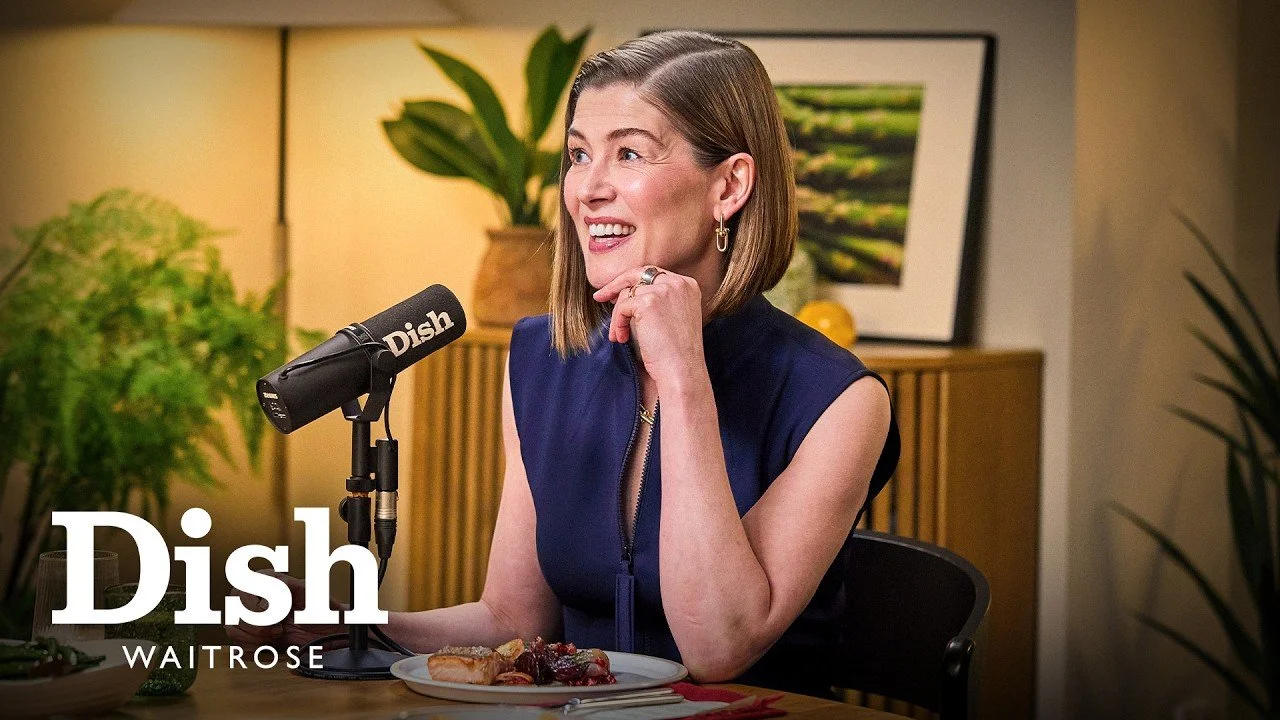
For a deeper look at both, see our guides on how to create a good thumbnail that gets clicks and how to write the perfect YouTube title.
Use YouTube Playlists for Better Retention
Playlists are one of the most underused tools for audience retention. The best brand channels use them to create viewing journeys that keep audiences engaged.
Keep each playlist focused
Every playlist should revolve around a clear theme or audience need. If viewers can't immediately understand what connects the videos, it's harder for them to keep watching.
Prioritise quality over volume
Tighter collections often outperform massive archives. They create clearer navigation paths and feel more intentional.
Maintain playlists regularly
Outdated or irrelevant videos weaken the experience. Keep them clean and useful.
Separate Shorts from long-form
Shorts and long-form content serve different viewing behaviours. Mixing them in the same playlist disrupts the experience rather than extending it.
Well-structured playlists increase session time, improve discoverability between videos, and help YouTube understand how your content ecosystem fits together.
YouTube Metadata Optimisation and AI Visibility in 2026
Visual identity gets people interested, but your metadata is what helps platforms understand what your content actually is.
In 2026, that matters far beyond traditional YouTube SEO. As AI-driven discovery grows, metadata has become one of the clearest signals that both algorithms and language models use to interpret, categorise, and recommend content.
Titles should be concise and intentional
Keep them clear and within 60–65 characters where possible. Anything longer risks being cut across search and recommendation surfaces.
Descriptions should prioritise clarity
Keyword stuffing is increasingly ineffective. Strong descriptions explain the value of the video naturally and clearly, which benefits viewers, YouTube's recommendation systems, and AI models scanning content for relevance.
Timestamps improve structure and discoverability
They help viewers navigate efficiently, improve retention, and make your content easier for AI systems to interpret and reference.
Closed captions create additional context
Captions improve accessibility and provide additional text signals that help search systems better understand your content.
Engagement signals authority
Comments, likes, shares, and active conversation all reinforce content quality. Encouraging interaction, and responding to it, strengthens the signals that recommendation systems rely on.
Write for the way people ask questions
With tools like YouTube's new Ask YouTube feature, viewers are increasingly searching conversationally. Your titles, descriptions, and on-screen language should reflect the kinds of questions someone might ask ChatGPT, Gemini, or YouTube search directly.
YouTube Is Becoming the Internet's Default Video Source for AI
When users ask AI tools for tutorials, explainers, reviews, or recommendations, YouTube videos are increasingly the source those systems reference.
The channels most likely to surface are the ones that:
Cover topics consistently
Organise content clearly
Maintain strong metadata
Use timestamps and captions effectively
Build audience engagement over time
Establish recognisable topical authority
The practices that improve YouTube performance today are also the ones strengthening AI visibility tomorrow. A YouTube strategy in 2026 is a discoverability strategy.
Conclusion: Build a Channel That's Designed to Be Found
The brands succeeding on YouTube in 2026 aren't publishing more content or spending more. They're building channels that are genuinely easier to find and trust.
Your homepage, thumbnails, playlists, metadata, captions, and channel structure all feed into the same system. When those elements work together, YouTube understands your content faster, audiences trust your brand more quickly, and AI-driven search is more likely to surface your videos.
Ready to build a more discoverable YouTube channel? Let's talk.
YouTube Visual Identity FAQs
How often should we update our YouTube channel's visual identity?
Review your homepage layout and playlists every quarter. Your thumbnail style should evolve gradually, not overnight, so you don't break the recognition you've built.
How do we build a visual identity for YouTube if we're starting from scratch?
Start with your thumbnails - they have the biggest impact on click-through rate and set the visual tone for everything else. Pick an on-brand colour palette, decide on your approach to text and imagery, and stick to it.
How does metadata connect to AI search in practice?
YouTube is the top platform for traffic referred by LLM-driven search. Timestamps, closed captions, clear signposting, and strong engagement signals all contribute to how visible your content is in AI-generated results.
Can a brand maintain a consistent visual identity across multiple markets or languages?
Absolutely. Visual identity travels better than language. Your thumbnail style, colour palette, and format can remain consistent across markets even when the language and content changes. That's what makes it scalable.