What Should Consumer Brands Post on YouTube? 4 Video Formats That Drive Growth
Your YouTube channel probably already exists with videos on it. Someone on the team manages it, and yet, if you're honest, it isn't doing much for brand awareness or growth and you’re still wondering what your brand should post on YouTube.
Many brand channels become collections of advertising assets, product launches, or corporate updates. While these videos may support your wider marketing activity, they're rarely the type of content that attracts new audiences or generates meaningful watch time.
The brands seeing the strongest results on YouTube are creating content that solves problems, demonstrates products, answers customer questions, and provides value long before someone is ready to buy.
YouTube is the world's second-largest search engine, with over 2.7 billion monthly logged-in users. When someone searches "how to grow tomatoes in a small garden" or "best way to panel a feature wall," they're actively looking for answers. If your brand shows up with genuinely useful content, you earn their attention. If you don't, a competitor, or a creator, will.
The brands making real progress treat YouTube like a publisher, rather than just a content library for marketing assets. And that starts with understanding what each type of video is actually for.
TL;DR
Most consumer brands don't struggle because they're posting too little on YouTube. They struggle because they're posting the wrong types of videos
The most effective YouTube content answers customer questions, demonstrates products, solves problems, and provides genuine value to your viewers
Our client B&Q's how-to content helped drive over one million new organic views in 2025 and is now appearing in AI search recommendations
Product demonstrations, tutorials, Shorts, and brand storytelling all serve different purposes and work best when tailored to audience needs
Fewer, better-targeted videos will consistently outperform a busy upload schedule that doesn't align with what audiences are actually looking for
The Best YouTube Content Ideas for Consumer Brands
How-To & Discovery Videos That Grow Your YouTube Audience Organically
Discovery content is videos built around questions your potential customers are already searching for. The kind of content someone watches before they've decided what to buy, or before they've even thought about your brand at all.
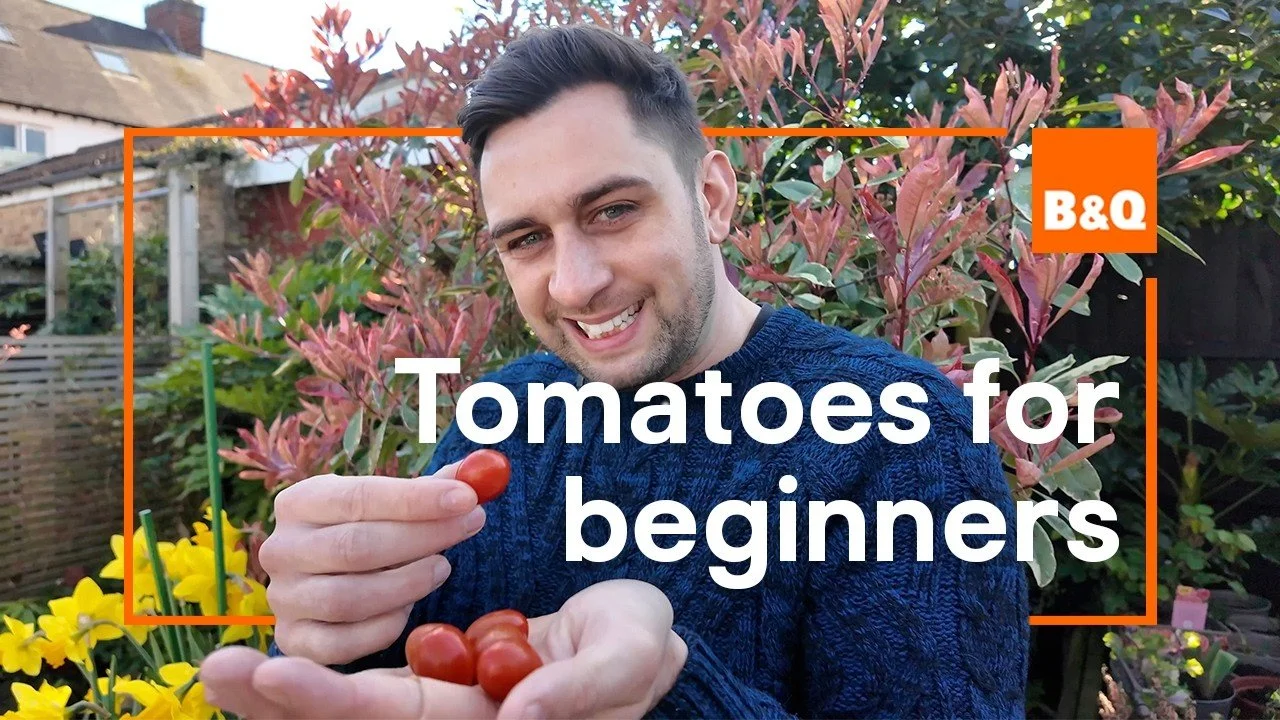
Our client B&Q is a clear example of what this looks like when it's done well. Working with Navigate Video, their how-to content - covering everything from growing tomatoes to wall panelling - helped the channel accumulate over one million new organic views in 2025 and is now appearing in AI search recommendations. This was the result of genuinely useful videos, built around topics their audience is actively searching for, published consistently.
Learn more about how YouTube's search and discovery algorithm works
YouTube Product Videos That Actually Convert
Once someone knows your brand exists, the next job is helping them feel confident choosing it.
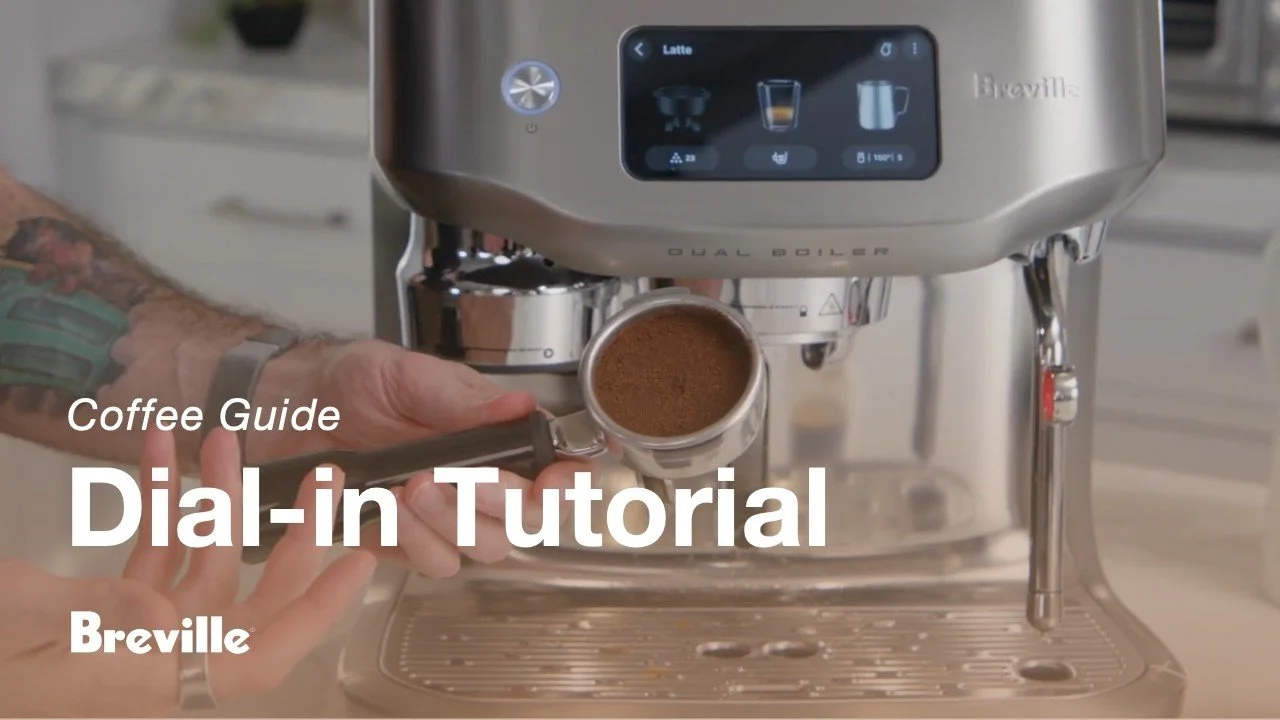
Features lists and promotional messaging don't perform well on YouTube. What does perform well is content that shows your products being used in real situations - demonstrations, practical use cases, before-and-after formats, and honest comparisons. They let viewers see how a product fits into their actual life and answers the questions your audience is asking. We support our client Breville to do this with their range of tutorial content around their products.
When product content feels informative rather than promotional, it reinforces trust. And trust is what drives long-term commercial outcomes on YouTube.
YouTube Shorts That Build Brand Growth
Think of Shorts as your momentum layer. They keep your brand visible between longer uploads and create repeated touchpoints that maintain audience engagement over time.
Shorts now drive over 200 billion daily views on YouTube. But reach without coherence doesn't build an audience that compounds. Short clips work best when they feel like a natural extension of your longer content - the same voice, same perspective, and the same visual identity.
Brand Storytelling That Keeps Audiences Coming Back
Editorial content expands the conversation beyond your products by allowing you to tell your brand story - behind-the-scenes content, category commentary, creative experiments. It exists not to sell something specific, but to deepen the relationship between your audience and your brand.
When viewers return to a channel not just for information but because they enjoy the perspective behind it, the brand stops behaving like an advertiser and starts behaving like a publisher of content. That's when YouTube starts delivering its most significant long-term value.
How to Choose Which Videos to Make First On YouTube
Not every content format will be right for every brand, and a big part of it depends on the time and budget you want to put into YouTube and video marketing.
But, a useful starting point is to look at the questions your customers ask before they buy. Customer service teams, sales conversations, search data, and product reviews can all provide valuable insight into the topics your audience cares about most.
The strongest YouTube content typically sits between:
Customer questions
Search demand
Product expertise
Brand authority
If your audience is already searching for answers, YouTube gives your brand an opportunity to become the answer.
Why Content Choice Matters More Than Volume
One of the biggest misconceptions about YouTube is that growth comes from publishing more content. In reality, results are driven by relevance and usefulness - discovery brings new viewers in, consideration builds purchase confidence, short-form maintains visibility, and editorial earns loyalty. Each video plays a specific role and the channel, as a whole, feels purposeful rather than fragmented.
Last year, our clients published 47% fewer videos than the year before, but the results were stronger than ever: 358.8 million total views (up 64% year on year), 34.9 million organic views (up 20%), and 2.35 million hours watched (up 64%).
The lesson isn't that brands should publish less. It's that every video should have a clear purpose and provide genuine value to the audience it's intended to reach.
FAQs
What should consumer brands post on YouTube?
The strongest brand channels typically focus on four key formats: how-to content, product demonstrations, YouTube Shorts, and brand storytelling. Each serves a different purpose and helps engage audiences at different stages of their journey.
Do product videos work on YouTube?
Yes, when they're educational rather than promotional. Product demonstrations, tutorials, and practical use cases tend to perform better than traditional advertising because they help viewers make informed decisions.
Are YouTube Shorts worth posting?
Yes. Shorts can help increase visibility, reach new audiences, and keep your brand present between longer-form uploads. They work particularly well when connected to broader content themes.
What types of videos generate the most organic views?
For many consumer brands, educational and problem-solving content performs particularly well. Tutorials, how-to guides, and answer-based content often attract viewers through YouTube search and recommendations.
Can YouTube videos appear in AI search results?
Yes. Well-structured videos that answer specific questions are increasingly being surfaced by AI-powered search tools such as Google's AI Overviews and Perplexity. B&Q's YouTube content is already appearing in AI search recommendations as a result of a consistent search-focused publishing approach.
How do you decide what YouTube content to create?
Start with the questions your customers are already asking. The most effective content is usually built around genuine audience needs, supported by search demand, and informed by your brand's expertise.