Hi, I'm Sita, Strategy and Media Planner at Navigate Video. I spend most of my time working out how you can get more out of YouTube. When it comes to building a YouTube Christmas marketing strategy, two questions come up again and again with our clients. Should you put paid distribution behind your festive campaigns or focus on organic content to grow your audience? And when should you start planning?
My answers are both, together and now. I’m breaking down exactly why that is in this article.
TL;DR
Paid and organic YouTube work best as one plan, with organic giving paid something worth promoting and paid getting it seen while it matters
Festive content has a short window, so paid distribution helps it reach people while they're searching
Google's data shows holiday shopping runs from October into the new year, so the planning window is open now
Testing in October means you arrive at peak season knowing which creative and audiences to back
YouTube Christmas Marketing: Why Paid & Organic Work Best Together
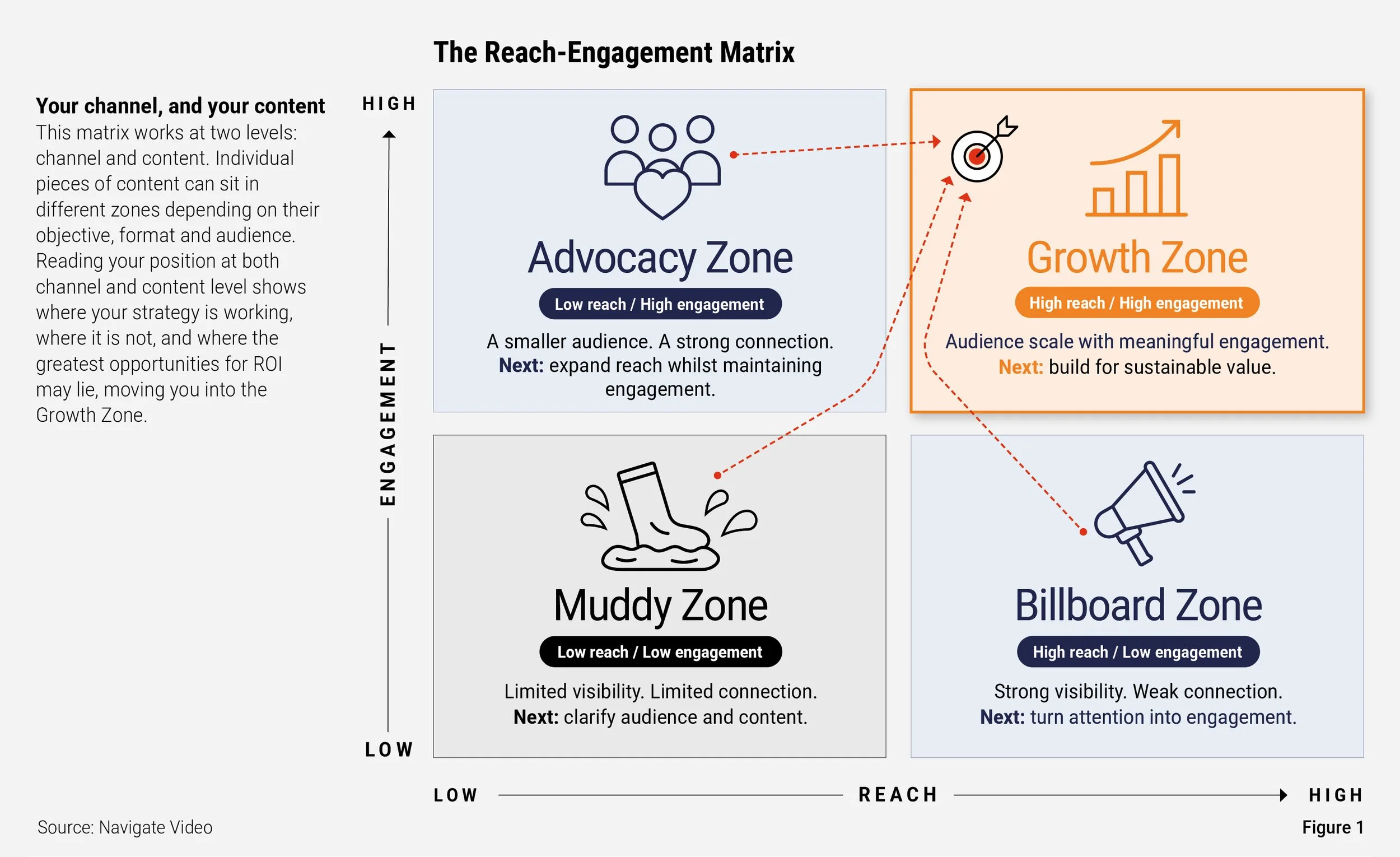
Paid and organic YouTube are often run separately, sometimes by different teams. The channels we see grow fastest bring them into the same strategy, so each side feeds the other. Our YouTube Growth Gap Report, built on analysis of 998 brand channels with support from academics at the University of Sussex Business School, found 24% of brands sit in the Billboard Zone, with high reach but low engagement. Their content is being seen, often with paid support, and the opportunity is turning that attention into an audience that stays. Closing that gap is less about spending more, and more about spending differently. Our guide to organic vs paid growth on YouTube goes deeper on how each delivers ROI.
Organic gives you the substance. Your channel and back catalogue are what people land on and stay for when paid sends them your way.
Paid gives you reach and speed. It puts your best videos in front of the right people from day one, so you aren't relying on discovery alone during a short seasonal window.
Organic tells paid what to back
Your strongest videos on retention and engagement are usually your best ad candidates. At Navigate Video we tend to put paid behind editorial content rather than ads, using In-Feed and Demand Gen to support the channel's organic growth. Promoting ad-style content can work, but we often advise against it, as the paid views can drown out the organic signals in your channel's statistics. By paid, we mean In-Feed, Demand Gen and Shorts placements rather than 30-second skippable ads. Either way, you're backing creative that already works for your channel, not guessing.
YouTube Analytics reports paid views under a separate YouTube advertising traffic source, so you can always check organic performance on its own.
Paid finds the audience organic can't reach yet
A well-targeted campaign introduces your channel to new, relevant viewers who may go on to subscribe. In our experience, In-Feed and Demand Gen placements tend to bring in viewers who are more likely to subscribe because they choose to click through to your video.
Google's figures support the commercial case too. A Nielsen analysis commissioned by Google found Demand Gen delivers 58% higher ROAS on average than the Video Action Campaigns it replaced. At Rethink Retail 2026, Google shared TransUnion analysis showing Search and YouTube running together drove 37% higher ROAS than all other media.
Paid builds audiences you can keep talking to
When you link your YouTube channel to Google Ads, you can build data segments from people who've watched your videos. A segment needs at least 100 viewers before you can use it in a campaign, which is another good reason to start building in October if you’re looking to target in December.
Paid data sharpens organic strategy
Ad results show you which hooks and thumbnails land with which audiences, faster than organic testing alone. Everything you learn in October feeds into what you publish in December.
Think of paid as an introduction. It gets your video in front of people likely to enjoy it, and their engagement over time is what builds your channel. This is what we call closing the Growth Gap. Paid builds reach, organic turns that reach into engagement, and the brands that grow fastest on YouTube do both.
Why Festive Content is where Paid Distribution Earns its Keep
Festive content has a short shelf life. A Christmas gift guide, a festive recipe or a "new year, new you" series does most of its work in a window of a few weeks really. If you wait for organic discovery to kick in, the moment has often passed and can take too long. Paid media distribution can solve this with an instant push.
That makes seasonal content the ideal place to put paid behind your organic plan. Paid makes sure the video reaches people while it's relevant, and the viewers it brings in stay on your channel long after the season ends if they like and resonate with the content and your brand.
Your YouTube Christmas marketing timeline
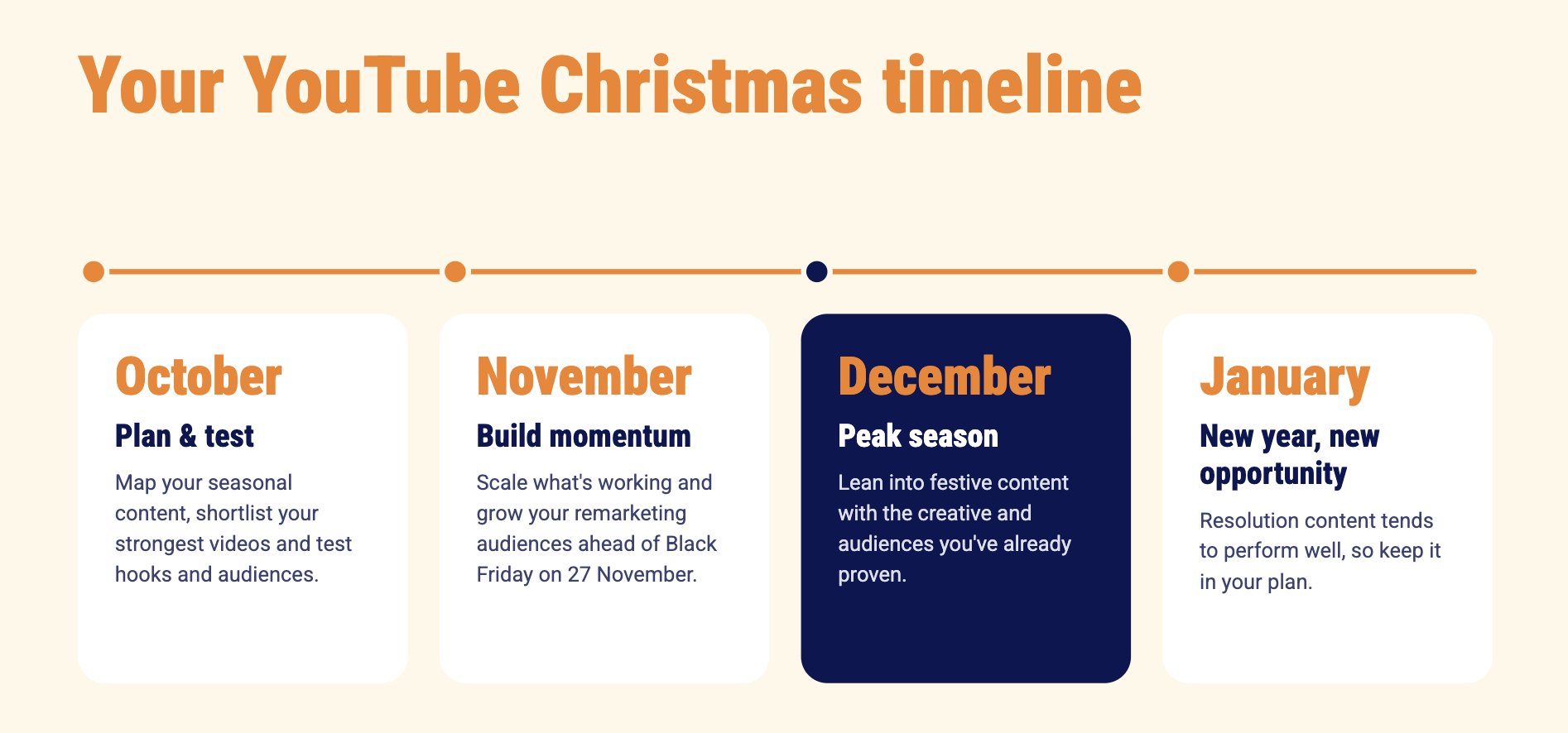
If Christmas and New Year matter to your brand, the planning window is open now. Here's the timeline I'd recommend.
October: plan & test. Map out your seasonal content, pick your strongest existing videos and run small tests on hooks and audiences
November: build momentum. Scale what's working and grow your remarketing audiences ahead of Black Friday on 27 November, and the run up to Christmas
December: peak season. Lean into festive content with the creative and audiences you've already proven
January: new year, new opportunity. Resolution content tends to perform well, and 84% of shoppers use Google or YouTube to shop after 25 December
Q4 is the busiest period of the year for advertisers, with £12.9bn spent on UK advertising in Q4 2025. That competition tends to push up costs in November and December. Testing in October means your peak budget goes on creative you already know works.
When you compare results with last Christmas, use engaged views in YouTube Analytics, since YouTube now counts public views from the first frame.
Case Study: B&Q's festive Shorts
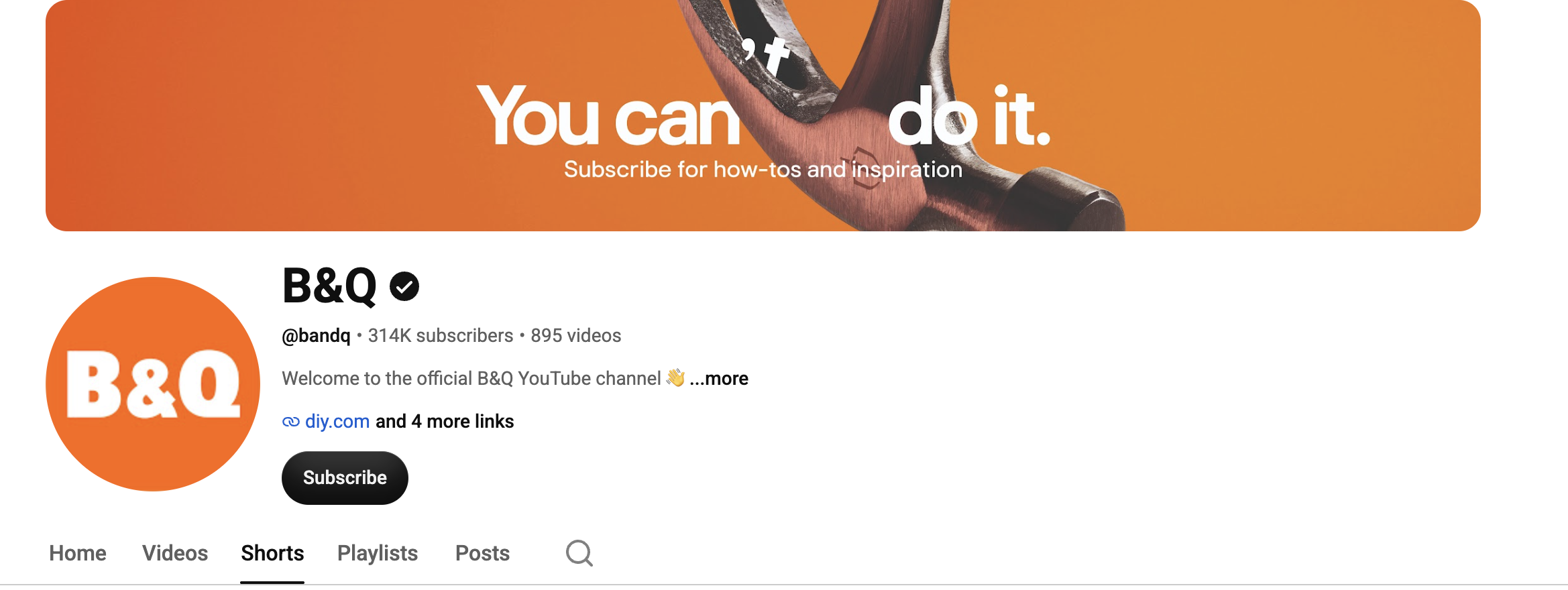
Last Christmas, we helped B&Q launch a festive campaign on its YouTube channels. The campaign paired three Shorts with product carousels linking straight to the B&Q website, so viewers could go from watching to buying baubles and tree decorations in a few taps.
With paid media distribution behind the Shorts, the campaign ran for one week and sold out multiple items on the website. It's a clear example of what happens when seasonal content and paid support are planned together.
You can read more about our work with B&Q here.
What I'd do this week
Review your channel: shortlist the videos with the strongest retention and engagement that are worth boosting or tie in with your Q4 plans
Plan with paid built in: decide how each asset will be distributed and what it's working towards, whether that's sales or channel growth
Testing budget: set aside a small budget for October and early November
Set up your audiences: link your channel to Google Ads so remarketing segments start building now
Start uploading & testing: get assets live ahead of mid-November
FAQs
When should I start my YouTube Christmas marketing?
October is ideal. It gives you time to test creative, build remarketing audiences and arrive at Black Friday and December with assets you've already proven.
Should I use paid or organic YouTube for Christmas?
Both, together. Organic content gives new viewers a channel worth exploring, and paid makes sure your festive videos reach them within the short seasonal window.
What is Demand Gen on YouTube?
Demand Gen is a Google Ads campaign type that serves video and image ads across YouTube (including Shorts), Discover and Gmail. It uses Google AI to find people likely to engage or convert.
Do YouTube ad costs go up at Christmas?
Usually, yes. Q4 is the most competitive period of the year for advertisers, so testing early helps you spend more efficiently at peak.
Let’s Plan your Christmas on YouTube
At Navigate Video, we’re a specialist YouTube marketing agency that takes care of the whole journey for you, from strategy and production to optimisation and paid media distribution. We’ve spent over ten years helping brands like B&Q, AXA, Diageo and Breville grow on YouTube, and we’d love to help you make this your strongest festive season yet.
Get in touch now and we’ll have time to test what works before peak season starts.